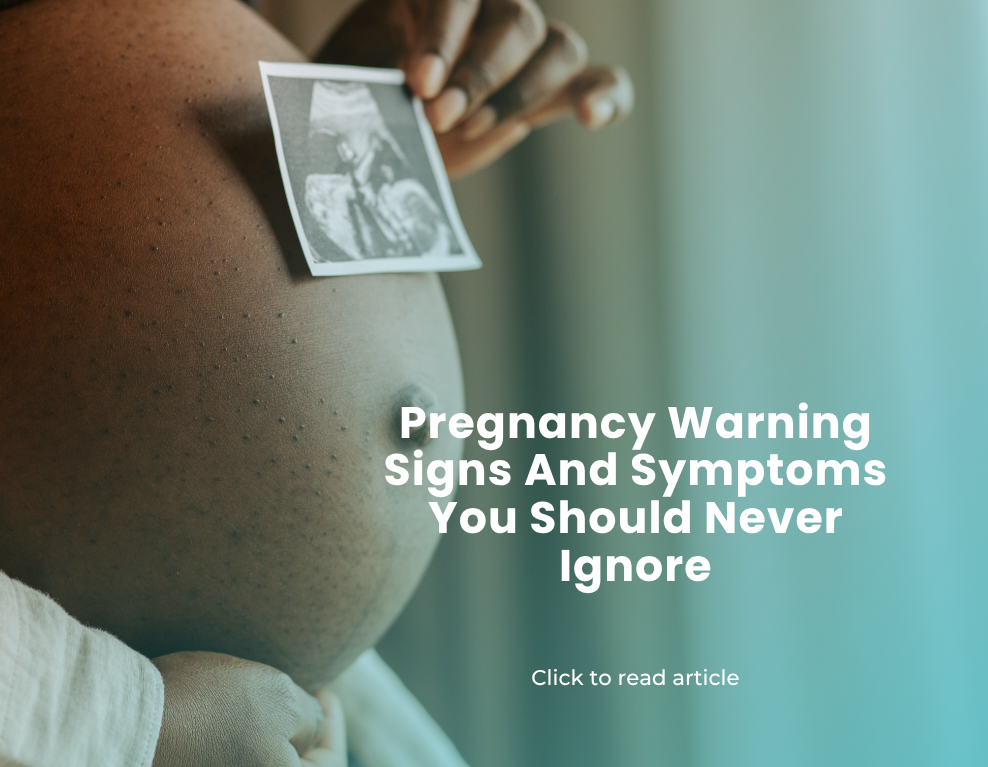
This article addresses a critical topic for expectant mothers: recognizing danger signs in pregnancy. This informative article aims to equip women with the knowledge to identify potentially life-threatening conditions and seek timely medical intervention.
Recognizing the Most Dangerous Signs
Several key danger signs require immediate medical attention:
1. Bleeding
Any bleeding during pregnancy, whether in the first, second, or third trimester, is a serious concern. Bleeding could indicate various complications, including miscarriage or placenta issues. It’s crucial for pregnant women experiencing bleeding to rush to the hospital for a thorough evaluation by an OBGYN.
2. Broken Water (Amniotic Fluid Leakage)
A sudden gush of fluid from the vagina, known as the breaking of the membranes, is another urgent sign. Unlike urine, this fluid is amniotic fluid, and its early release can lead to complications such as umbilical cord prolapse. Immediate medical assessment is necessary to prevent potential risks to both the mother and the baby.
3. Reduced Fetal Movement
Monitoring fetal movement is essential. While babies may have periods of rest, a significant decrease or absence of movement is a red flag. Expectant mothers should seek medical evaluation to ensure the baby’s well-being and avoid severe outcomes.
Indicators of Pre-Eclampsia
Pre-eclampsia is a severe pregnancy complication characterized by high blood pressure. Several warning signs of pre-eclampsia that require urgent attention:
- Severe Headache: Persistent and intense headaches can indicate pre-eclampsia.
- Blurring Vision: Any sudden changes in vision should be assessed by an OBGYN.
- Epigastric Pain: Pain below the ribcage that feels like acidity may be related to pre-eclampsia.
- Excessive Swelling: Sudden and severe swelling of the face, hands, or legs can be a sign of pre-eclampsia.
Recognizing Signs of Infection
Fever during pregnancy can signal various infections, which may impact both the mother and baby. Possible infections include urinary tract infections, blood infections, and amniotic fluid infections. Fever warrants immediate medical consultation to determine the underlying cause and receive appropriate treatment.
Understanding Labor Signs
While not always a danger sign, increasing abdominal pain that radiates to the back could indicate the onset of labor. Consulting with a healthcare provider to confirm labor and receive guidance on the next steps is the best way to go about it.
Conclusion
By being aware of these signs and seeking prompt medical attention, expectant mothers can safeguard their health and that of their babies. This episode of “Your Free Consult” serves as a valuable resource for pregnant women, helping them navigate the complexities of pregnancy with greater confidence and preparedness.