

What every woman should know about painful periods, heavy bleeding, pelvic pain and available treatment options.
Adenomyosis, often overlooked in discussions about gynecological health, is a condition that shares a close relationship with endometriosis. It occurs when endometrial tissue, which normally lines the uterus, infiltrates the muscle layer of the uterus. This condition can lead to various symptoms, risk factors, and treatment options that are essential to understand for effective management.
What is Adenomyosis?
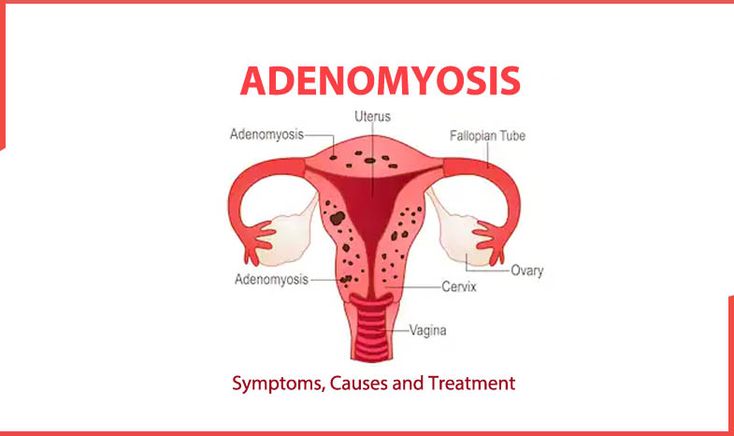
Adenomyosis involves the presence of endometrial or endometrial-like tissue within the muscular layer of the uterus. This condition typically affects the back wall of the uterus, leading to its enlargement and causing painful and heavy menstrual bleeding. The endometrial tissue inside the muscle layer can bleed during menstruation, resulting in significant discomfort and other related symptoms.
Symptoms of Adenomyosis
The symptoms of adenomyosis can vary in intensity and may overlap with other gynecological conditions. Some of the common symptoms include:
1. Painful Periods (Dysmenorrhea): The bleeding of endometrial tissue into the muscle layer of the uterus can cause severe menstrual cramps.
2. Heavy Menstrual Bleeding (Menorrhagia): Many women with adenomyosis experience abnormally heavy menstrual bleeding.
3. Infertility: Women with adenomyosis often struggle to conceive.
4. Painful Urination (Dysuria): Proximity of the uterus to the bladder can lead to urinary symptoms.
5. Painful Sexual Intercourse (Dyspareunia): Pain during intercourse is another common symptom.
6. Miscarriage and Pregnancy Loss: Adenomyosis can contribute to recurrent miscarriages and pregnancy complications.
7. Asymptomatic Cases: Notably, many women with adenomyosis may not exhibit any symptoms, with the condition being discovered incidentally during imaging studies.
Risk Factors for Adenomyosis
Several risk factors are associated with the development of adenomyosis, including:
1. Age: Adenomyosis is most commonly found in women between the ages of 40 and 50.
2. Childbirth: Women who have had multiple pregnancies are at higher risk.
3. Vigorous Curettage: Excessive cleaning of the uterus after a miscarriage can increase the risk.
4. Cesarean Sections: Though the risk is small, cesarean sections can contribute to the development of adenomyosis.
5. Tamoxifen Therapy: Menopausal women undergoing tamoxifen therapy are also at risk.
Diagnosing Adenomyosis
When adenomyosis is suspected, healthcare providers typically use imaging techniques to confirm the diagnosis. The main diagnostic tools include:
1. MRI (Magnetic Resonance Imaging): This is the primary method for diagnosing adenomyosis due to its detailed imaging capabilities.
2. Pelvic or Vaginal Ultrasound: Ultrasound can also detect adenomyosis, though it is less precise than MRI.
Treatment Options for Adenomyosis (Watch video)
Treatment for adenomyosis can be categorized into surgical and medical options. The choice of treatment depends on the severity of the symptoms and the patient’s reproductive plans.
Surgical Options
1. Hysterectomy: The most definitive treatment involves the removal of the uterus, which eliminates adenomyosis but also results in infertility.
2. Laparoscopic Myometrial Electrocoagulation: This procedure uses electrical energy to create small burns in the muscle layer of the uterus, leading to the destruction of the endometrial tissue.
3. Laparoscopic Uterine Artery Ligation: This technique involves tying off the blood supply to the uterus, which reduces the growth of the endometrial tissue.
Medical Options
1. GnRH Agonist Therapy: Hormonal therapy that helps shrink the endometrial tissue within the muscle.
2. Progesterone Therapy: Can be administered orally or via an intrauterine device (IUD) to reduce the growth of the endometrial tissue.
3. Tranexamic Acid: Aids in reducing menstrual bleeding but is less effective as a long-term solution.
Other Options
1. HIFU Treatment: It is a non-invasive medical and cosmetic procedure that uses focused sound waves to heat and destroy targeted tissue or stimulate collagen production (Watch Video)
Conclusion:
Adenomyosis is a significant condition that can affect a woman’s quality of life and fertility. Understanding its symptoms, risk factors, and treatment options is crucial for effective management. Women experiencing symptoms should consult their healthcare provider for appropriate diagnosis and personalized treatment plans. By raising awareness about adenomyosis, we can help women seek timely medical intervention and improve their overall reproductive health.