
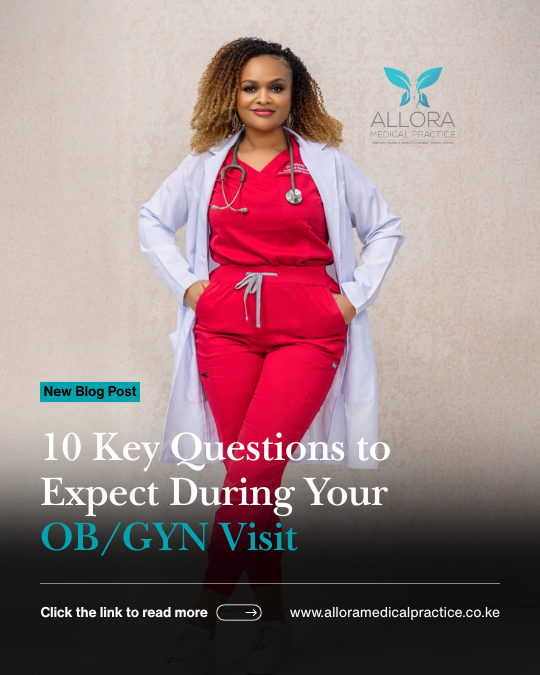
Visiting an OB/GYN can be an important step in maintaining your reproductive health, but it can also be a source of anxiety for many. Understanding the types of questions your OB/GYN might ask can help you feel more prepared and comfortable during your appointment. Here are ten common questions you can expect, along with why they matter:
1. What is Your Age?
Your OB/GYN will ask about your age to better understand your reproductive health in the context of your stage in life. Age can influence menstrual regularity, fertility, and the risk of certain conditions. For instance, fertility tends to decrease with age, and menstrual irregularities may be more common in younger women.
2. When Was Your Last Menstrual Period?
Knowing the date of your last menstrual period helps your OB/GYN determine if there are any issues related to your menstrual cycle or if there might be a possibility of pregnancy. Modern apps that track menstrual cycles can make this question easier to answer accurately.
3. What is Your Parity?
Your OB/GYN will inquire about your parity, which refers to the number of pregnancies you have had, including those that resulted in live births, miscarriages, or stillbirths. This information is crucial for understanding your obstetric history and managing any related health issues.
4. How Regular Are Your Periods?
Expect questions about the regularity of your menstrual cycles, including how long they last and their intensity. Understanding your cycle’s regularity can help your OB/GYN diagnose any underlying issues, such as irregular cycles or painful periods.
5. Have You Had a Pap Smear?
Pap smears are important for screening cervical health. Your OB/GYN will ask when your last Pap smear was, its results, and may request a copy of the results if they were performed elsewhere. Regular Pap smears help in early detection of abnormal cells that could lead to cervical cancer.
6. What is Your Contraceptive History?
Your OB/GYN will want to know about any previous or current contraceptive methods you’ve used, including any effects or side effects you’ve experienced. This helps in understanding how your contraceptive history might impact your current health status.
7. What is Your Sexual History?
While this might be a sensitive topic, your OB/GYN needs to understand your sexual history to assess risk factors for sexually transmitted infections (STIs) and other issues. Be honest about the number of partners, use of contraception, and any symptoms you might be experiencing.
8. What is Your Medical History?
Expect questions about any chronic conditions or past illnesses. Your OB/GYN will need to know about conditions like diabetes, hypertension, or any other long-term health issues that could affect your reproductive health.
9. What is Your Obstetric History?
Your OB/GYN will inquire about previous pregnancies and deliveries. Details about whether your pregnancies went to term, any complications, or the nature of your deliveries (e.g., vaginal or cesarean) are important for assessing your current health and managing any future pregnancies.
10. What is Your Social History?
Finally, your OB/GYN will ask about your social habits, such as alcohol use, drug use, and smoking. These factors can significantly impact your reproductive health and overall wellness, so it’s important to be honest about your lifestyle choices.
Conclusion
Being prepared for these questions can make your visit to the OB/GYN smoother and more productive. Understanding why these questions are asked helps you provide accurate and relevant information, which in turn helps your OB/GYN offer the best care possible. Remember, your OB/GYN is there to support your health and well-being, so don’t hesitate to be open and honest during your appointment.
For more tips and information on reproductive health, stay tuned for our next episode. Thank you for reading!